
Malaysia’s manufacturing industry is rapidly evolving as factories look for ways to improve productivity, maintain consistent product quality, and reduce operational costs. With increasing demand for faster production and higher precision, many companies are now adopting advanced automation products in Malaysia to modernize their manufacturing processes.
Industrial automation is now widely used across industries such as automotive manufacturing, metal fabrication, electronics, machinery production, and heavy engineering. From robotic welding systems to intelligent monitoring technologies, automation solutions are helping businesses improve efficiency while supporting long-term growth.
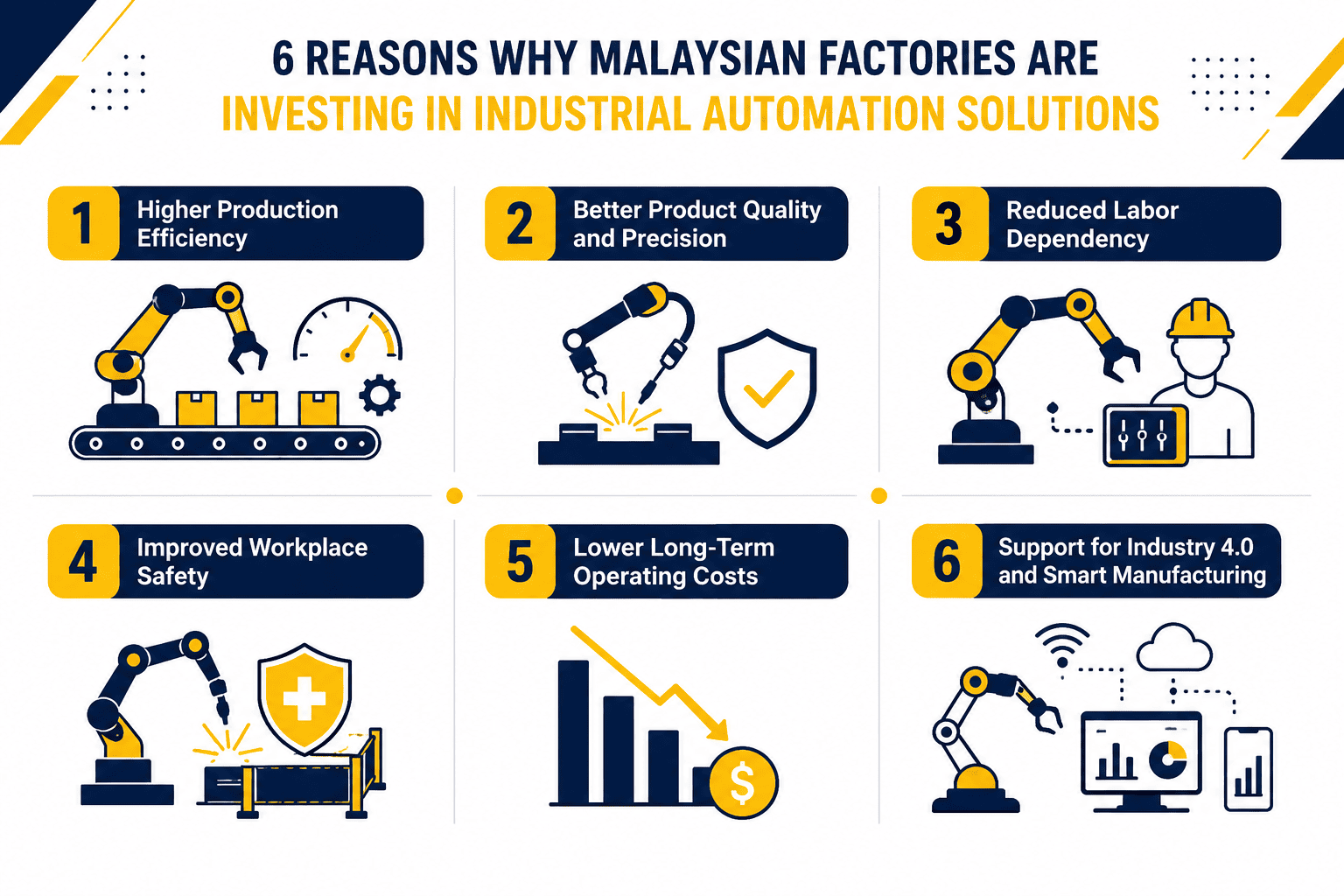
1. Higher Production Efficiency
One of the biggest advantages of industrial automation is improved production speed and workflow efficiency.
Automated systems can operate continuously with stable and repeatable performance, helping factories increase output while reducing production delays. This is especially important for manufacturers handling large production volumes or precision welding applications.
Common Automation Products Used for Production Efficiency
- Robotic welding systems
- Automatic cutting systems
- Welding positioners
- PLC automation systems
- Conveyor and handling systems
Factories using automated welding and cutting technologies can achieve more consistent production while minimizing manual intervention.
2. Better Product Quality and Precision
Manual manufacturing processes can often lead to inconsistent results, especially in repetitive industrial operations.
Automation systems help improve:
- Welding consistency
- Cutting precision
- Product uniformity
- Dimensional accuracy
For example, robotic welding systems can maintain stable welding paths and controlled welding parameters throughout the production process. This helps reduce common manufacturing defects such as poor weld penetration, uneven joints, and excessive rework.
3. Reduced Labor Dependency
Many Malaysian factories are investing in automation due to ongoing labor shortages and rising labor costs.
Automation products allow manufacturers to automate repetitive and physically demanding tasks while allowing skilled workers to focus on monitoring, maintenance, and quality control.
Automation Solutions Commonly Used
- KUKA robotic systems
- Intelligent robotic welding cells
- CNC welding systems
- Automated pipe welding machines
- Smart robotic arms
These systems help manufacturers maintain stable production even with reduced dependency on manual labor.
4. Improved Workplace Safety
Industrial manufacturing environments often involve high heat, sparks, heavy materials, and hazardous operating conditions.
Automation helps improve workplace safety by reducing direct worker exposure to dangerous production processes.
Automation Equipment That Improves Safety
- Robotic welding systems
- Laser cutting machines
- Automated material handling systems
- Intelligent monitoring systems
- Automatic welding positioners
By automating hazardous operations, factories can create safer and more controlled working environments.
5. Lower Long-Term Operating Costs
Although automation requires initial investment, it can significantly reduce long-term operational costs.
Factories benefit from:
- Reduced production downtime
- Lower defect and rejection rates
- Less material waste
- Improved energy efficiency
- Reduced maintenance issues
Modern inverter-based welding systems and smart automation technologies also help optimize energy consumption during manufacturing operations.
6. Support for Industry 4.0 and Smart Manufacturing
More manufacturers in Malaysia are adopting Industry 4.0 technologies to improve operational visibility and factory performance.
Modern automation systems now support:
- Real-time production monitoring
- Smart robotic controls
- IoT integration
- Predictive maintenance systems
- Automated production analytics
These technologies help businesses improve productivity while preparing for future smart factory requirements.
Popular Automation Products Used in Malaysia
Modern manufacturing facilities use a wide range of automation equipment to improve productivity and production accuracy.
Robotic Welding Systems
Robotic welding systems are widely used for high-volume and precision welding applications. These systems help manufacturers achieve stable weld quality, faster cycle times, and reduced manual welding errors.
Benefits
- Consistent welding quality
- Faster production speed
- Reduced material waste
- Lower labor dependency
Automatic Cutting Systems
Automatic cutting machines improve cutting accuracy and production efficiency for metal fabrication industries.
Common Applications
- Sheet metal cutting
- Industrial fabrication
- Automotive component production
- Precision manufacturing
These systems help reduce manual cutting inconsistencies while improving production speed.
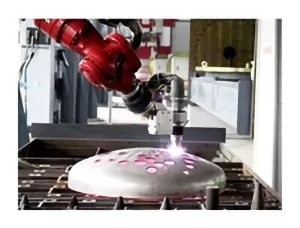
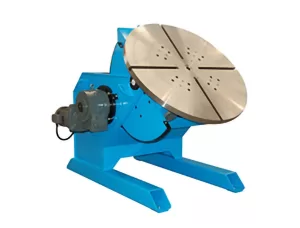
Welding Positioners
Welding positioners help rotate and position workpieces for improved welding accessibility and consistency.
Advantages
- Better weld quality
- Improved operator efficiency
- Reduced welding fatigue
- Faster production workflow
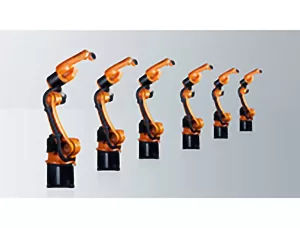
KUKA Robotic Automation Systems
KUKA robotic systems are commonly used in advanced industrial automation environments due to their precision and reliability.
Industrial Applications
- Automated welding
- Material handling
- Assembly operations
- Smart manufacturing systems
These robotic systems support high-precision industrial automation across multiple manufacturing sectors.
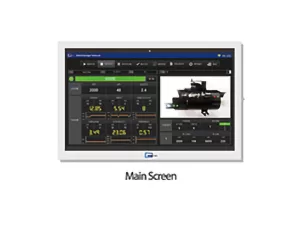
Intelligent Monitoring Systems
Modern factories also use intelligent monitoring systems to track machine performance and production efficiency in real time.
Features
- Production monitoring
- Error detection
- Process tracking
- Predictive maintenance support
These systems help manufacturers reduce downtime and improve operational efficiency.
Why Choose ASB Welding
ASB Welding is a trusted supplier of automation products in Malaysia, providing advanced industrial automation solutions for modern manufacturing industries. The company supports factories looking to improve productivity, welding quality, and operational efficiency through reliable automation technologies.
Key advantages include:
- Wide Product Range: Robotic welding systems, KUKA robotic automation, automatic cutting machines, and intelligent monitoring systems
- Improved Efficiency: Helps manufacturers increase production speed and reduce manual processes
- Better Production Quality: Supports consistent welding accuracy and stable manufacturing performance
- Industry 4.0 Solutions: Smart automation technologies designed for modern factory environments
- Technical Support: Provides system integration assistance and after-sales service for long-term operational reliability
Why Malaysian Manufacturers Are Choosing Automation
Manufacturers are investing in automation products in Malaysia because automation helps businesses:
- Increase productivity
- Improve product consistency
- Reduce operating costs
- Enhance workplace safety
- Support Industry 4.0 adoption
- Stay competitive in global manufacturing markets
As manufacturing demands continue to grow, automation technologies are becoming essential for factories looking to scale production efficiently.
Upgrade Your Factory With Advanced Automation Solutions
Improve production efficiency, welding consistency, and manufacturing performance with reliable automation technologies from ASB Welding. Explore advanced robotic welding systems, cutting solutions, and smart automation products designed for modern industrial applications.
Contact ASB Welding today to find the right automation solution for your manufacturing needs
Conclusion
The demand for advanced automation products in Malaysia continues to increase as factories modernize their manufacturing operations.
From robotic welding systems and automatic cutting machines to intelligent monitoring technologies and smart robotic automation, industrial automation helps manufacturers improve productivity, product quality, and long-term operational efficiency.
Businesses that invest in reliable automation solutions today are better prepared for the future of smart manufacturing and Industry 4.0 industrial development.
Frequently Asked Questions (FAQs)
What are automation products used for in manufacturing?
Automation products are used to improve production efficiency, reduce manual labor, increase precision, and support consistent manufacturing processes. Common examples include robotic welding systems, PLC controls, automated cutting machines, and intelligent monitoring systems.
How do automation products help reduce production costs?
Industrial automation helps reduce operational costs by minimizing production errors, reducing material waste, lowering downtime, and improving overall production efficiency.
Which industries commonly use automation products in Malaysia?
Automation products are widely used in industries such as automotive manufacturing, metal fabrication, electronics, machinery production, food processing, and heavy engineering.
Are robotic welding systems suitable for small and medium factories?
Yes. Many small and medium manufacturers invest in robotic welding systems to improve welding consistency, reduce labor dependency, and increase production capacity without significantly expanding manpower.
What should manufacturers consider before investing in industrial automation?
Businesses should consider production requirements, factory layout, scalability, technical support, maintenance services, and compatibility with existing manufacturing systems before choosing automation solutions.