

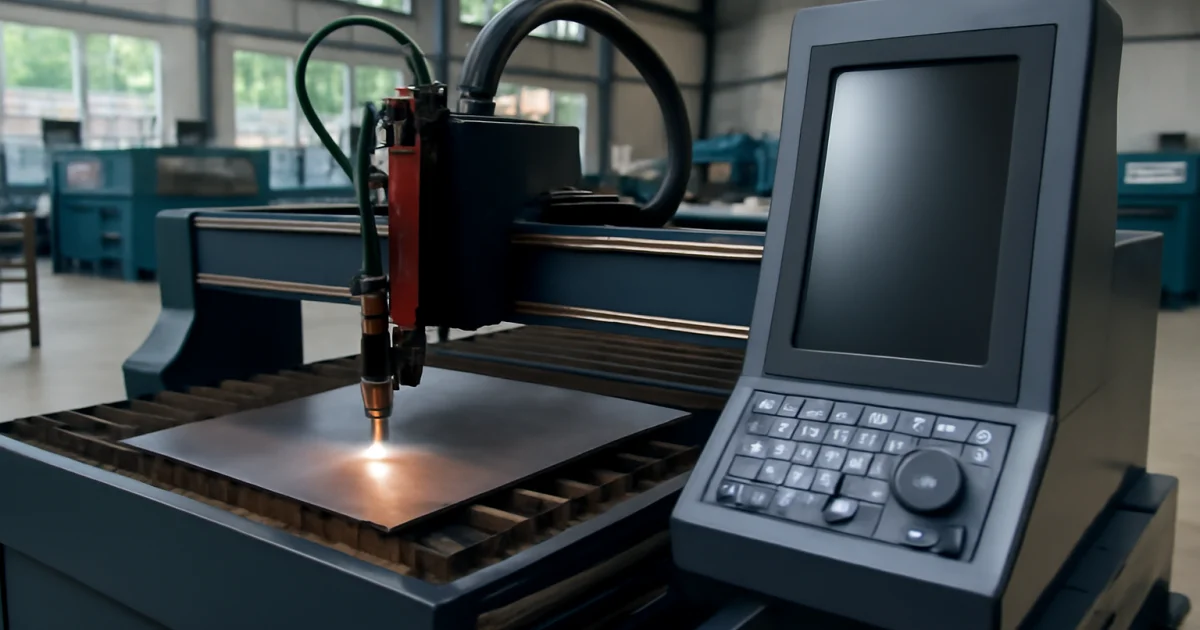
The manufacturing and fabrication landscape in Malaysia is rapidly evolving. With rising competition and increasing demand for precision, speed, and flexibility, the welding and cutting sector faces mounting pressure to modernize. One upgrade that stands out for metalworkers, manufacturers, and industrial business owners is investing in a modern plasma machine. But is the investment truly justified? As an industry expert with years of experience advising fabrication companies and manufacturers across Malaysia, I believe the answer is a resounding yes. In this article, I’ll share my professional perspective on why upgrading to a modern plasma machine is not just a smart move—it’s essential for staying competitive and future-ready. For readers comparing options, Plasma Machine Malaysia is the main topic this guide explains.
The Evolution of Plasma Cutting Technology
Plasma cutting technology has come a long way since its introduction decades ago. Early plasma machines were cumbersome, required skilled operators, and delivered moderate precision at best. In contrast, today’s advanced plasma machines offer digital controls, automated features, and integration with CAD/CAM systems, making them accessible and efficient for a wide range of industries.
Modern plasma machines are engineered for reliability, versatility, and ease of use. They can cut through thick and thin metals—including mild steel, stainless steel, and aluminum—with remarkable accuracy and minimal waste. This technological leap is more than just incremental; it’s transformative, enabling Malaysian workshops and factories to meet higher standards and tighter production schedules.
Over the past decade, the integration of Internet of Things (IoT) capabilities has further revolutionized plasma cutting. Machines now allow for remote monitoring, predictive maintenance alerts, and real-time performance analytics, enabling proactive troubleshooting and continuous improvement on the shop floor. As a result, Malaysian manufacturers can now make data-driven decisions and optimize workflows for greater efficiency.
Key Benefits of Upgrading to a Modern Plasma Machine
From my perspective, the advantages of adopting a modern plasma machine in Malaysia are both tangible and strategic. Here are some of the most compelling reasons:
- Superior Cut Quality: Advanced plasma machines produce cleaner, smoother edges with less dross, reducing the need for secondary finishing and saving valuable man-hours.
- Faster Production Cycles: Modern systems offer higher cutting speeds and rapid changeovers, essential for high-mix, low-volume production environments.
- Enhanced Efficiency: Digital controls, programmable settings, and automation minimize operator error and boost throughput.
- Lower Operating Costs: Efficient power usage, longer consumable life, and reduced material waste add up to significant savings over time.
- Versatility: Modern plasma machines handle a broad range of materials and thicknesses, supporting everything from custom fabrication to mass production.
One often overlooked benefit is improved workplace safety. With automated cutting and advanced safety features, operators are less exposed to hazardous environments, reducing accident rates and lowering insurance costs. Additionally, modern machines are designed with ergonomic considerations in mind, making daily operation less physically demanding.
Practical Examples: Transforming Malaysian Workshops
Let’s look at real-world examples. One mid-sized fabrication company in Selangor, previously reliant on older cutting methods, upgraded to a digital plasma machine. The result? They halved their production time on repetitive jobs and improved their product finish to better satisfy international clients. Similarly, an automotive parts manufacturer in Penang leveraged automated plasma cutting to scale up production while maintaining strict tolerances. These success stories are not isolated—they reflect a broader trend as Malaysian industries seek to modernize and compete globally.
In my advisory role, I have seen firsthand how companies that invest in modern plasma machines quickly recoup their costs through faster delivery times, reduced rework, and higher customer satisfaction. These are not theoretical gains but practical, measurable improvements that impact the bottom line.
Another notable example involves a precision engineering firm in Johor Bahru. After upgrading, they expanded their service offerings to include intricate custom components, opening doors to new industries such as electronics and renewable energy. This flexibility has allowed them to diversify revenue streams and build resilience against market fluctuations.
Even small workshops can see dramatic changes. For instance, a family-run fabrication shop in Ipoh adopted a compact CNC plasma machine and moved from manual templates to digital design files. This upgrade led to a 30% increase in daily output and enabled the business to accept more complex and profitable projects that were previously out of reach.
Comparing Plasma Machines: What Makes a Machine ‘Modern’?
Not all plasma machines are created equal. A modern plasma machine distinguishes itself through several features:
- Digital Touchscreen Controls: Allow precise program settings, job storage, and easier operator training.
- Automated Torch Height Control: Maintains optimal cutting distance, ensuring consistent results across all materials.
- CNC Integration: Enables complex shapes and batch processing, essential for industrial-scale manufacturing.
- Smart Diagnostics: Built-in fault detection and alerts reduce downtime and maintenance surprises.
- Energy Efficiency: State-of-the-art power supplies consume less energy, supporting sustainability goals.
These advancements are especially relevant in Malaysia, where the drive for industrial automation and higher productivity is accelerating. When shopping for a plasma machine, look for these features to ensure your investment is truly future-ready.
It is also important to evaluate the compatibility of your chosen machine with existing infrastructure and software. Modern plasma machines often support multiple file formats and are compatible with major CAD/CAM platforms. This flexibility streamlines the transition and maximizes ROI by reducing the learning curve for both operators and engineers.
Another differentiator is modularity. Some newer plasma machines offer modular components, such as interchangeable torches or upgradeable power supplies, which allow for incremental upgrades as your business grows. This future-proofs your investment and minimizes the risk of obsolescence.
Actionable Considerations Before Upgrading
Before making the leap, business owners and decision-makers should assess a few critical factors:
- Workload and Material Types: Evaluate the thickness and variety of metals you process most frequently.
- Required Precision: More demanding applications benefit most from digital and CNC-equipped machines.
- Operator Skill Levels: Modern machines can reduce the learning curve, but proper training is still crucial.
- Available Space and Power: Ensure your facility can accommodate the size and electrical load of the new equipment.
- Support and After-Sales Service: Choose a supplier offering comprehensive technical support, maintenance, and spare parts availability.
In my opinion, partnering with a respected supplier like ASB Welding, which offers both international brands and their own OTO-WELD range, can make a significant difference. Their technical team provides hands-on support, recommendations, and troubleshooting, helping you maximize the return on your investment.
Creating a phased upgrade plan is also advised. Start by identifying your most critical pain points—such as bottlenecks in production, frequent breakdowns, or challenges meeting new customer requirements. Set clear objectives for what you hope to achieve with a new plasma machine, and involve operators, engineers, and management in the decision-making process. This collaborative approach ensures buy-in and smooth implementation.
Budgeting for ongoing costs is equally important. While the initial investment is significant, consider the long-term savings in energy, consumables, and reduced downtime. Factor in training and maintenance when calculating your total cost of ownership, and don’t hesitate to ask suppliers for detailed ROI projections based on your unique operating environment.
Common Pitfalls When Upgrading and How to Avoid Them
While the benefits of upgrading are clear, there are common mistakes that can undermine your investment:
- Underestimating Training Needs: Even user-friendly machines require proper onboarding. Invest in comprehensive training for operators and maintenance staff to maximize uptime and cut errors.
- Ignoring Facility Readiness: Assess your workshop layout, ventilation, and electrical systems before installation. Overlooking these can cause costly delays or safety issues.
- Choosing the Wrong Machine Size: Bigger isn’t always better. Match your equipment’s capacity to your actual workload and avoid overspending on unnecessary features.
- Neglecting Support Agreements: Reliable after-sales support is crucial. Choose suppliers who offer service contracts and fast access to spare parts.
- Skipping Integration Planning: Plan for how the new machine will interact with your existing workflow, software, and production schedule.
By anticipating these pitfalls, you can ensure a smoother transition and accelerate the timeline for realizing benefits from your new plasma machine.
Modern Plasma Machines and Welding Automation
The synergy between modern plasma machines and automation is reshaping Malaysian manufacturing. Automated plasma cutting—whether through robotic arms, CNC tables, or integrated production cells—delivers exceptional consistency, faster cycle times, and a safer working environment.
Factories aiming to improve productivity are increasingly adopting robot welding and automated plasma systems. This transition is not reserved for mega-factories; even mid-sized workshops can benefit from semi-automated solutions that bridge the gap between manual and fully automated production. By reducing reliance on manual labor for repetitive or hazardous tasks, companies can redeploy skilled workers to higher-value roles and improve overall operational resilience.
For example, a large appliance manufacturer in Klang Valley integrated their plasma machine with a robotic handling system and saw a 25% reduction in scrap rates alongside improved traceability of components. Meanwhile, a metal signage company in Melaka adopted a hybrid workflow—combining manual design with automated cutting—and now delivers custom orders in half the time compared to their previous method.
Automation is also making compliance with international standards easier, as consistent quality and digital documentation are increasingly required by global clients. Investing in an automation-ready plasma machine positions your business to win contracts in sectors such as automotive, aerospace, and high-tech manufacturing.
How a Modern Plasma Machine Boosts Competitiveness
In the current climate, where global supply chains are volatile and customer expectations are rising, the ability to respond quickly and deliver high-quality products is a strategic advantage. A modern plasma machine empowers Malaysian businesses to:
- Win more contracts requiring precise, customized metalwork
- Reduce lead times and improve on-time delivery rates
- Lower production costs and increase profitability
- Adapt to new materials and design trends with minimal equipment changes
From my viewpoint, these benefits far outweigh the initial investment. In many cases, the cost of sticking with outdated equipment—missed business opportunities, higher labor costs, and increasing rework—is much greater than the expense of upgrading.
A modern plasma machine can also help your business comply with evolving environmental and safety regulations. Improved energy efficiency and reduced emissions help meet both local and international standards, making your operation more attractive to eco-conscious clients and partners.
Furthermore, the ability to take on a wider variety of projects—such as prototyping, small-batch runs, or complex assemblies—gives you a decisive edge over competitors who are limited by older equipment. This adaptability is especially valuable in Malaysia’s dynamic business environment, where client needs can shift rapidly and new opportunities arise frequently.
Choosing the Right Supplier for Your Plasma Machine in Malaysia
Selecting the right plasma machine is only part of the equation. Equally important is choosing a supplier who understands your industry, offers reliable technical support, and stocks consumables and spare parts locally. ASB Welding stands out in this regard, providing a one-stop solution for all welding and cutting needs. Their extensive product portfolio includes plasma machines from global brands, welding automation, consumables, and robust after-sales support—ensuring Malaysian manufacturers can focus on what they do best: producing world-class metalwork.
Whether you are exploring MIG machines for sale, advanced robot welding systems, or looking for a trusted welding shop near you, partnering with a knowledgeable supplier ensures you receive personalized guidance, seamless installation, and long-term peace of mind.
When evaluating suppliers, prioritize those that offer onsite demonstrations, comprehensive warranties, and ongoing technical training. These value-added services not only support your initial investment but also foster a lasting partnership that adapts as your business evolves.
Look for testimonials, case studies, and industry certifications when shortlisting suppliers. A proven track record in serving similar businesses is a strong indicator of reliability and expertise. Don’t hesitate to request a facility visit to see their support infrastructure and inventory firsthand.
Conclusion: A Strategic Upgrade for Future Success
In conclusion, upgrading to a modern plasma machine in Malaysia is not just a technical decision—it is a strategic move that drives operational efficiency, product quality, and business growth. The combination of digital technology, automation, and expert support positions companies to thrive in a demanding marketplace. As the industry continues to evolve, those who invest in modern cutting solutions will remain ahead of the curve, ready to seize new opportunities and tackle future challenges with confidence.
If you are considering an upgrade, my expert advice is simple: evaluate your needs, seek out reputable suppliers, and embrace the future of metal fabrication with a modern plasma machine. The benefits—both immediate and long-term—are too significant to ignore.
Frequently Asked Questions
What are the main advantages of a modern plasma machine over older models?
Modern plasma machines offer improved cut quality, faster processing speeds, enhanced automation, digital controls, and greater energy efficiency compared to older models. These upgrades translate to higher productivity, less material waste, and lower operating costs for Malaysian businesses.
How do I know if my business should upgrade its plasma cutting equipment?
If you are experiencing slow production, inconsistent cut quality, frequent downtime, or difficulty meeting customer demands, it may be time to consider an upgrade. Assess your workload, material needs, and the technical limitations of your current equipment to determine if a modern plasma machine is the right fit.
What should I look for when choosing a plasma machine supplier in Malaysia?
Look for a supplier with a strong industry reputation, local technical support, a diverse product portfolio, and proven after-sales service. Companies like ASB Welding provide both international and local brands, consumables, and comprehensive maintenance services to support your investment.
Can modern plasma machines be integrated with automation systems?
Yes, many modern plasma machines are designed for seamless integration with CNC tables, robotic arms, and automated production lines. This enables manufacturers to boost consistency, increase throughput, and improve workplace safety.
How does upgrading to a modern plasma machine impact production costs?
Upgrading can reduce production costs by increasing cutting speed, minimizing rework, lowering energy consumption, and extending the lifespan of consumables. Over time, these savings often outweigh the initial investment in new equipment.
Upgrade Your Fabrication with ASB Welding’s Modern Plasma Solutions
Ready to transform your metalworking operations? ASB Welding offers a comprehensive range of modern plasma machines, welding automation, consumables, and expert technical support tailored for Malaysian manufacturers and fabrication businesses. Whether you’re seeking efficiency, precision, or automation, our experienced team can guide you to the ideal solution. Let us help you stay ahead in the competitive fabrication industry with the latest technology and proven after-sales service.