

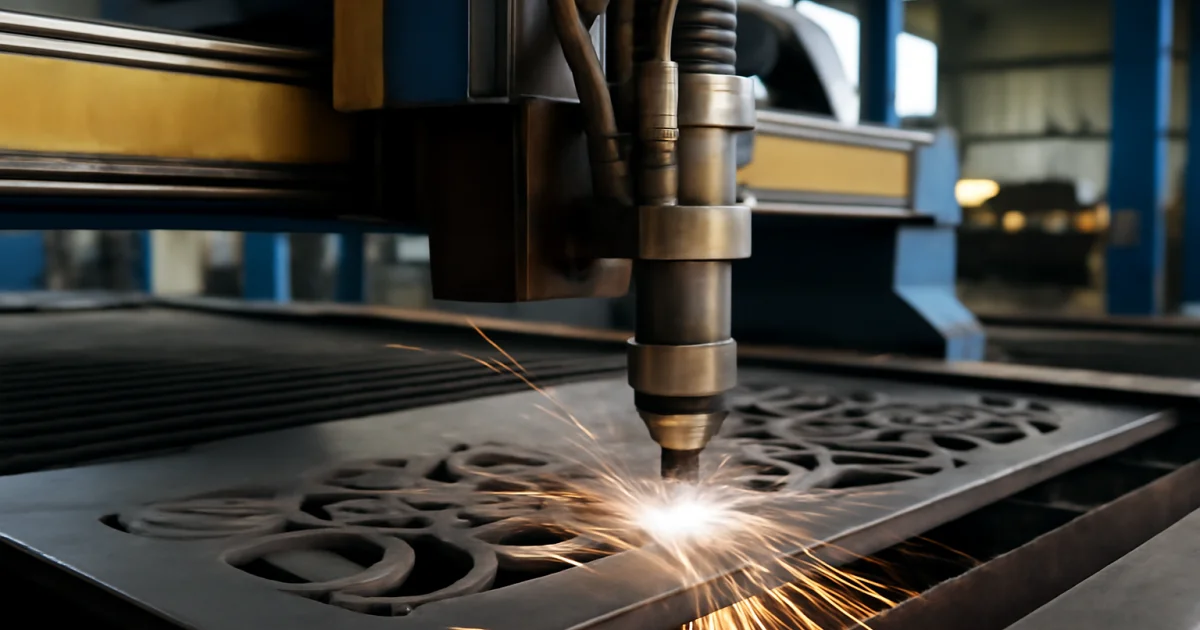
In Malaysia’s fast-evolving manufacturing sector, precision, speed, and cost-efficiency are vital. Whether you’re a factory engineer, equipment manager, or production planner, adopting advanced metal cutting solutions can transform your operations. CNC profile cutting systems have become the gold standard for fabricators and manufacturers seeking accurate, repeatable results on mild steel, stainless steel, and aluminium. This comprehensive tutorial walks you through every stage of using a CNC profile cutting system in Malaysia—from initial preparation to achieving flawless cuts—so you can maximise productivity and maintain a competitive edge.
Understanding CNC Profile Cutting Systems
CNC (Computer Numerical Control) profile cutting refers to automated machines that cut sheet metal or plates into complex shapes using a computer-guided process. These systems are widely used in Malaysia for manufacturing, machinery, automotive, shipbuilding, and heavy industries where accuracy and repeatability are crucial. CNC profile cutters may use plasma, oxy-fuel, laser, or waterjet technology, but all share key components: a cutting table, gantry, motion control system, cutting torch, and CNC controller.
- Precision: Enables intricate shapes and tight tolerances unattainable with manual cutting.
- Efficiency: Cuts multiple components in a single run, reducing production time.
- Automation: Minimises operator error, supporting ‘lights-out’ manufacturing.
Modern CNC profile cutting systems come equipped with advanced features such as automatic torch height control, real-time diagnostics, and integrated safety interlocks. These advancements help Malaysian manufacturers achieve not only consistency but also lower operating costs by reducing rework and material waste.
Step 1: Preparing for CNC Profile Cutting
Preparation is the foundation of successful CNC cutting. Start by confirming your project requirements—material type, thickness, part design, and desired quantities. In Malaysia, common materials include mild steel, stainless steel, and aluminium plates ranging from 1mm to over 50mm thick.
- Material Selection: Choose plates with minimal warping or surface defects. Clean surfaces improve cutting quality and reduce torch wear.
- Design Files: Obtain or create CAD design files (DXF, DWG). Ensure all dimensions, hole placements, and part outlines match your needs.
- Machine Readiness: Inspect the CNC profile cutting system. Check gas supplies, torch tips, consumables, and the motion axis for smooth operation. For plasma and oxy-fuel systems, inspect hoses and check for leaks.
- Work Area Safety: Set up welding blankets or protective barriers to shield nearby equipment and staff from sparks and heat. Ensure adequate ventilation in the cutting area.
- Document Control: Maintain a checklist of all required drawings, quality standards, and approval records. This is especially important for jobs requiring material traceability or audit compliance.
Avoid common mistakes such as skipping pre-operation checks or failing to confirm material certifications. Overlooking these steps can result in costly production delays or rejected parts.
Step 2: Loading and Setting Up the Machine
Careful machine setup ensures accuracy and minimises waste. Here’s what to do:
- Load Material: Place the metal plate onto the cutting table. Use proper lifting equipment for heavy plates. Align the plate parallel to the machine’s axis.
- Clamping: Secure the plate using clamps or magnetic holders to prevent movement during cutting.
- Zeroing and Calibration: Set the machine’s ‘zero point’—the reference corner for cutting. Use the CNC controller to calibrate the torch height (critical for plasma and laser systems).
- Consumables Check: Inspect and replace worn torch tips, nozzles, or electrodes as needed for clean, accurate cuts.
When setting up, double-check the alignment of the plate and machine axes. Even a slight misalignment can lead to cumulative errors in part dimensions, especially on large sheets or nested jobs. Always perform a quick visual inspection to verify clamps are secure and the torch has unobstructed movement across the cutting area.
Step 3: Importing and Nesting Design Files
CNC profile cutting systems in Malaysia typically accept popular CAD file formats. The next step is to import your part design and arrange it for optimal material usage—known as nesting.
- Software Setup: Open the CNC software and import your DXF, DWG, or compatible file.
- Nesting: Use the software’s nesting tools to arrange multiple parts on the sheet, maximising yield and minimising scrap. Efficient nesting reduces waste and lowers production costs.
- Path Generation: The software generates the programmed cutting path. Review toolpaths to confirm cut order, lead-in/lead-out points, and pierce locations.
- Simulation: Run a virtual simulation to detect any collisions or errors before actual cutting begins.
Optimal nesting not only saves material but also improves workflow. In high-volume Malaysian manufacturing environments, advanced nesting software can automatically arrange hundreds of parts and suggest changes to reduce offcuts. Some manufacturers even use dynamic nesting, adjusting layouts in real time according to plate remnants and urgent job needs.
Step 4: Configuring Machine Parameters
Before starting the cut, configure parameters based on material and machine type:
- Cutting Speed: Adjust feed rate according to material thickness and torch type. Thicker plates require slower speeds.
- Torch Height: Set accurate standoff for plasma or laser cutters. Too high causes dross; too low can damage the torch and compromise cut quality.
- Gas Settings: For plasma and oxy-fuel cutters, set the correct gas pressures and flow rates for the material.
- Piercing Parameters: Adjust pierce height and dwell time for thicker materials to avoid excessive spatter.
- Kerf Compensation: Input the expected kerf width (material removed during cutting) so part dimensions remain precise.
- Cooling and Extraction: Ensure any cooling systems or fume extraction units are operating to protect operators and improve cut quality.
Refer to the machine’s manual, supplier’s technical guidelines, or consult with ASB Welding’s technical team if you need assistance with parameter optimisation.
It is advisable to record all machine parameters and settings for each job, creating a reference library that can be revisited for similar future projects. This practice reduces setup time and ensures repeatability.
Step 5: Executing the Cutting Process
With all preparations complete, you’re ready to begin cutting:
- Dry Run: Perform a dry run (without torch ignition) to verify machine movement and ensure the toolpath is clear of obstacles.
- Initiate Cutting: Start the CNC program. Closely monitor the first few cuts for arc stability, cut quality, and any unexpected noises or sparks.
- Quality Checks: Inspect the first part for edge quality, dross, and dimensional accuracy. Make fine adjustments to speed, height, or gas if needed.
- Continuous Monitoring: Remain alert for consumable wear, material movement, or torch misalignment. In larger Malaysian workshops, automation and sensors can help monitor the process for consistent results.
During production, keep a log of any parameter adjustments and note reasons for changes. This helps refine future setups and provides transparency for quality assurance. For high-mix, low-volume jobs, document each run’s outcomes so the team can troubleshoot or replicate settings efficiently.
Step 6: Post-Cutting Handling and Finishing
Proper handling after cutting preserves part quality and supports downstream processes like welding, assembly, or painting.
- Part Removal: Allow parts to cool before removal. Use gloves and appropriate tools to lift finished pieces from the table.
- Slag/Dross Removal: Clean cut edges using chipping hammers, grinders, or wire brushes. Some advanced CNC machines offer integrated edge-cleaning features.
- Dimensional Inspection: Measure critical dimensions and hole placements with calipers or gauges. Address any deviations before further processing.
- Sorting and Marking: Sort finished parts by job or batch and mark them for traceability.
- Surface Finishing: For high-visibility components, use sanding, polishing, or chemical solutions to achieve desired surface quality. ASB Welding supplies weld cleaning and finishing equipment for this purpose.
Efficient post-processing is essential for ensuring parts are ready for final assembly. Consider setting up a dedicated inspection and finishing zone to streamline this step and minimize contamination between raw and finished components. For traceability, especially in regulated industries, implement barcode or RFID tagging for every batch.
Practical Example: CNC Profile Cutting for a Machinery Manufacturer
Consider a Malaysian equipment manufacturer needing 100 identical mounting brackets cut from 10mm mild steel. Here’s how the workflow might look:
- The engineer prepares a DXF file of the bracket and shares it with the CNC operator.
- The operator loads a 2,500 x 1,250mm steel sheet onto the cutting table, aligns, and clamps it securely.
- Designs are nested to fit 50 brackets per sheet, minimising waste.
- Parameters are set for oxy-fuel cutting: correct gas ratios, torch height, and cutting speed for 10mm steel.
- A dry run verifies movement, followed by automated cutting. The process completes all 100 parts in two runs, each closely monitored for quality.
- Parts are cleaned, measured, and sorted for delivery to the fabrication department.
This approach allows for significant savings in both time and material costs compared to manual methods. In a real-world Malaysian context, efficient job tracking and digital documentation further support compliance with ISO standards and customer audits.
Advanced Tips: Maximising Value from CNC Profile Cutting
- Batch Production: Group similar jobs together to reduce setup and changeover times. This is especially effective in contract manufacturing environments common in Malaysia.
- Material Utilisation: Use remnants and offcuts for smaller parts or internal projects. Advanced nesting software can help identify opportunities for reuse.
- Remote Monitoring: Implement IoT-enabled CNC systems to track performance, maintenance needs, and production metrics in real time, improving responsiveness and reducing downtime.
- Custom Reporting: Generate detailed reports on machine usage, part yield, and scrap rates to support continuous improvement and lean manufacturing initiatives.
- Supplier Collaboration: Partner closely with your CNC and materials supplier for ongoing training, upgrades, and troubleshooting. This collaboration can deliver a sustained competitive advantage.
Best Practices for CNC Profile Cutting in Malaysia
- Regular Maintenance: Schedule routine checks on CNC machines to avoid costly breakdowns. Maintain spares of torch consumables, filters, and lubricants.
- Operator Training: Ensure staff are trained in CAD/CAM software, machine operation, and safety protocols.
- Leverage Automation: Upgrade to robotic or automated loading/unloading to further boost productivity—an increasingly popular choice among Malaysian manufacturers.
- Quality Assurance: Implement inspection checkpoints after cutting, especially for parts used in welding assemblies or structural components.
- Consult Experts: Work with suppliers like ASB Welding for technical support, troubleshooting, and sourcing of reliable CNC, plasma, laser, and welding machines.
Creating a culture of ongoing training and improvement can make a significant difference. Encourage feedback from operators and regularly review process logs to identify bottlenecks or recurring issues. Establishing a knowledge base of solved problems and best practices helps new staff get up to speed and reduces reliance on individual expertise.
Common Challenges and Troubleshooting Tips
- Poor Edge Quality: Check for worn torch tips, incorrect speed, or gas flow. Adjust settings and replace consumables as needed.
- Warping or Distortion: Minimise excess heat input, especially on thin plates. Use appropriate cutting technology for the material and thickness.
- Machine Errors: Regularly calibrate motion systems and update CNC software to prevent axis misalignment or programming faults.
- Material Movement: Always secure workpieces with proper clamping or fixtures.
- Inconsistent Piercing: Adjust pierce delay and height settings for thicker materials to avoid blowback and torch contamination.
When troubleshooting, approach each issue methodically. For example, if cut quality suddenly drops, first inspect consumables for wear, then verify parameter settings, and finally check the physical setup. Documenting each step helps pinpoint recurring causes and accelerate future problem-solving.
Conclusion: Elevate Your Metal Fabrication with CNC Profile Cutting
Mastering the use of a CNC profile cutting system can revolutionise your metal fabrication process in Malaysia. From accurate shape production to efficient workflow, CNC technology enables manufacturers to meet modern quality and volume requirements. Following this step-by-step guide ensures you achieve consistent, high-quality results—whether you’re producing single prototypes or mass production runs. For technical support, equipment recommendations, or to source your next Cnc Profile Cutting System Malaysia solution, partner with proven industry experts for maximum uptime and productivity.
Ready to take the next step? Explore ASB Welding’s full range of CNC cutting, welding machines, automation solutions, and technical services tailored for Malaysian manufacturers.
Frequently Asked Questions
What materials can be cut with a CNC profile cutting system in Malaysia?
CNC profile cutting systems in Malaysia are designed to handle a wide range of metals, including mild steel, stainless steel, aluminium, and sometimes copper or brass. The technology—plasma, oxy-fuel, laser, or waterjet—determines the optimal materials and thicknesses that can be processed.
How do I choose the right CNC cutting technology for my application?
Your choice depends on material type, thickness, desired edge quality, and production volume. Plasma cutters are versatile for mild and stainless steel; oxy-fuel is cost-effective for thick steel; laser offers high precision for thin to medium plates; and waterjet is best for non-thermal, multi-material cutting. Consult with a trusted supplier for recommendations tailored to your needs.
What are the common issues affecting CNC cut quality and how can I troubleshoot them?
Common issues include rough edges, excessive dross, warping, and dimensional inaccuracies. These can often be resolved by checking consumable condition, calibrating torch height, adjusting cutting speed or gas flow, and ensuring the workpiece is securely clamped.
Can CNC profile cutting systems be integrated with welding automation?
Yes, many Malaysian manufacturers integrate CNC profile cutting with robotic welding and automated assembly lines. This streamlines production, improves consistency, and supports complex fabrication workflows. ASB Welding supplies solutions for both CNC cutting and welding automation.
Is operator training necessary for CNC profile cutting systems?
Proper operator training is essential for safe, efficient, and high-quality CNC cutting. Training covers CAD/CAM software, machine operation, safety procedures, basic troubleshooting, and maintenance. Suppliers like ASB Welding can provide technical support and training for your team.
Upgrade Your Metal Cutting Efficiency with ASB Welding
Looking to boost accuracy and productivity in your manufacturing process? ASB Welding offers Malaysia’s most complete range of CNC profile cutting systems, welding machines, automation solutions, and technical support. Our experienced team helps you select, install, and maintain the right equipment to meet your production goals. Whether you need plasma, laser, oxy-fuel, or robotic solutions, we have the expertise and product range to support your business from start to finish.
Contact us today to discuss your requirements and discover how ASB Welding can help streamline your fabrication workflow.