

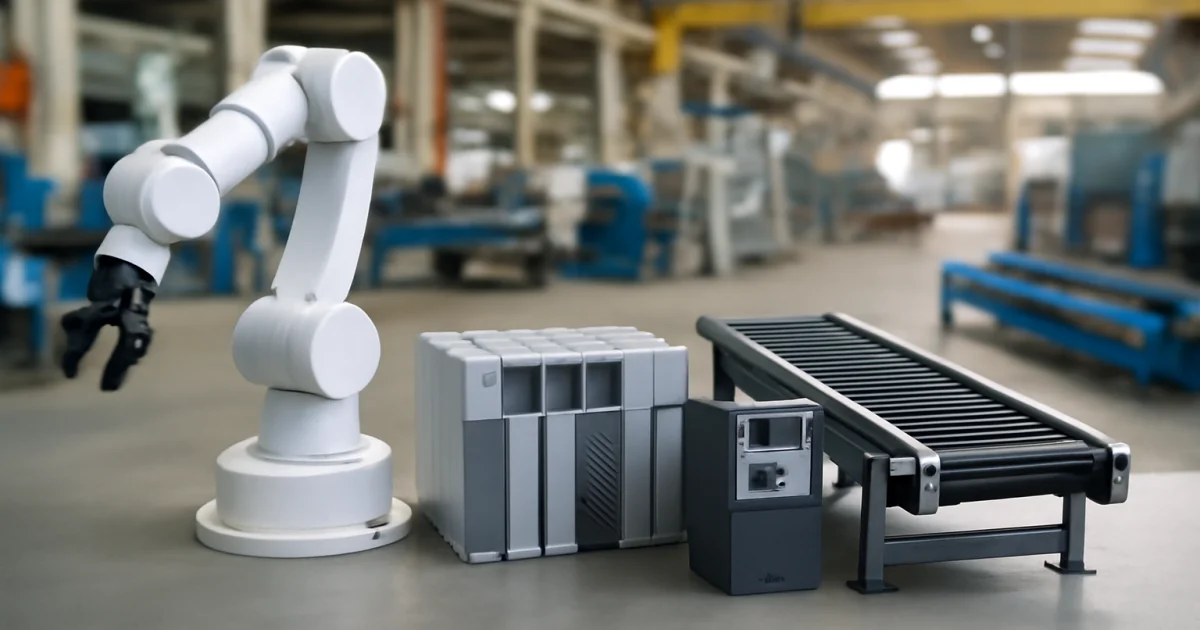
As Malaysia’s manufacturing and engineering sectors accelerate towards Industry 4.0, automation has become the cornerstone of modern metal fabrication. Whether you manage procurement or oversee production, choosing the right automation products is critical for boosting efficiency, safety, and output consistency. This ultimate checklist is designed to guide Malaysian companies through the essentials—ensuring your investment in automation delivers sustainable results for welding, cutting, and fabrication workflows.
1. Assessing Your Fabrication Needs and Goals
Before exploring specific automation solutions, conduct a thorough assessment of your operations. Identify bottlenecks in your current processes—are manual welds causing delays, or is inconsistent quality affecting throughput? Define clear goals such as reducing rework, increasing output, improving safety, or supporting larger production volumes. For example, an automotive component supplier may prioritize cycle time reduction, while a structural steel fabricator focuses on weld quality.
- Current workflow analysis: Map each fabrication step—cutting, welding, finishing, inspection.
- Performance metrics: Document downtime, defect rates, and operator workload.
- Automation readiness: Evaluate floor space, power supply, and integration points for new equipment.
- Compliance needs: Ensure automation supports workplace safety and industry standards.
Deeper Dive: Go beyond surface-level assessments. Interview machine operators, examine maintenance logs, and review past customer complaints. These steps help uncover root causes of inefficiency that automation can address. For example, if inspection times are unpredictable, consider vision-based automation to standardize quality checks. Use Pareto analysis to distinguish between minor and major process inefficiencies, and set measurable improvement targets for each.
2. Selecting Core Automation Products for Metal Fabrication
Automation Products Malaysia offers span a wide array of solutions, from standalone machines to fully integrated systems. The core categories most relevant to metal fabrication include:
- Welding Automation Systems:
- MIG, TIG, and arc welding robots for repetitive and precision welds.
- Robotic welding arms for car body assembly or heavy equipment frames.
- Spot welding machines for automotive panels and sheet metal joining.
- Automated Cutting Equipment:
- Plasma, laser, and waterjet cutters for high-precision metal profiling.
- CNC cutting tables with programmable controls for recurring patterns.
- Material Handling Solutions:
- Automated conveyors, welding positioners, and rotators for safe part movement and ergonomic operator support.
- Weld Cleaning & Finishing Equipment:
- Automated weld cleaning stations, sanding, and polishing machines.
- Industrial Automation Controllers:
- PLCs (Programmable Logic Controllers) and HMIs (Human-Machine Interfaces) for system coordination.
Choose equipment that matches your workload and material types. For example, a shipbuilding yard may require heavy-duty robotic arms, while an electronics manufacturer might prioritize precision laser welders and compact automation modules.
Comparative Insights: Evaluate not just the initial capabilities of a given system, but also its scalability and modularity. For high-mix, low-volume production, opt for flexible automation—robotic arms with quick-change tool systems or mobile workstations, for instance. For high-volume, repetitive tasks, invest in fixed automation with high repeatability. Consider the environmental resilience of each product; some are rated for dust, humidity, or extreme temperatures, which is especially relevant for Malaysian factories.
3. Evaluating Equipment Compatibility and Integration
Seamless integration is crucial for maximizing automation ROI. Before acquisition, confirm that new products can interface with your current machines, software, and safety systems. Consider the following:
- Communication Protocols: Ensure compatibility with existing PLCs, SCADA, or MES systems.
- Retrofit Options: For older fabrication lines, look for automation modules with plug-and-play or adapter kits.
- Safety Systems: Integrate emergency stops, light curtains, and interlocks with new machinery.
- Data Connectivity: Choose automation with Industry 4.0-enabled features for real-time monitoring and analytics.
Practical Example: A Malaysian manufacturer upgrades its manual arc welding bays with robotic arms featuring Ethernet/IP and Profinet connectivity, allowing seamless communication with their factory’s digital dashboard.
Integration Pitfalls to Avoid: Overlooking software compatibility can lead to costly delays. Always map out your existing data flows and identify any legacy protocols that might require middleware or custom interfaces. Involve IT and controls engineers early in the process. Where possible, conduct a pilot integration with limited scope to validate data exchange, safety interlocks, and operator usability before full deployment.
4. Ensuring Quality, Reliability, and After-Sales Support
Investing in automation is a long-term commitment. Prioritize products from established brands with proven durability in Malaysian conditions—high humidity, variable power, and continuous operation. Evaluate the following:
- Brand Reputation: Select suppliers partnered with international leaders like Lincoln, OTC, or KUKA, or proven regional brands such as OTO-WELD.
- Warranty & Support: Confirm local service presence, spare part availability, and technical support response times.
- Training & Documentation: Ensure operators receive hands-on training and comprehensive manuals.
- Trial & Demo Options: Request on-site demonstrations or pilot runs to test real-world performance.
For instance, ASB Welding offers its own OTO-WELD range as well as international brands, backed by a dedicated Malaysian technical team and flexible support plans.
Extended Considerations: Ask for customer references and site visits to see equipment in operation. Regularly scheduled preventive maintenance contracts can reduce unscheduled downtime. Make sure the supplier has a clear escalation process for urgent service requests, and check for digital support options, such as remote diagnostics or online training portals, which can speed up troubleshooting in remote areas.
5. Calculating Total Cost of Ownership (TCO)
Price tags can be misleading—always calculate TCO instead of just upfront cost. Include:
- Initial Purchase: Equipment, installation, and commissioning fees.
- Operating Costs: Power consumption, consumables (welding wire, electrodes), and routine maintenance.
- Downtime Risk: Assess likelihood and impact of breakdowns; check for rapid service or rental equipment availability.
- Upgrade Path: Can the system be expanded or adapted to new projects cost-effectively?
Example: A fabrication shop investing in a robotic welding set may face higher initial costs, but benefit from reduced defects, lower overtime, and efficient changeovers—lowering overall production costs over time.
Scenario Analysis: Calculate payback periods by comparing pre-automation and post-automation KPIs. Factor in intangible benefits, such as improved worker safety or the ability to win new business with higher quality standards. Use sensitivity analysis to see how changes in material prices or labor costs could affect your ROI. Engage your finance team to model different growth and risk scenarios before committing to large-scale purchases.
6. Compliance, Safety, and Environmental Considerations
Malaysia’s industrial sector must comply with DOSH (Department of Occupational Safety and Health) and environmental regulations. When selecting automation:
- Safety Standards: Ensure machines meet SIRIM certification and international safety benchmarks.
- Operator Safety: Look for automation with built-in guards, emergency stops, and clear safety signage.
- Environmental Impact: Favor energy-efficient equipment and dust/fume extraction systems—like Nederman air filtration units for weld shops.
Practical Example: An engineering firm retrofits its welding shop with automatic fume extraction and noise reduction modules, improving compliance and worker comfort.
Compliance Checklist: Regularly audit your automation equipment for safety features and environmental controls. Assign a compliance officer or team to keep documentation up to date and schedule periodic third-party inspections for critical systems. Explore government grants or incentives for energy-efficient upgrades, and keep abreast of evolving regulations to avoid costly retrofits in the future.
7. Implementation, Training, and Change Management
Effective automation isn’t just about hardware—it’s about people and processes. Ensure a smooth transition by:
- Staff Training: Organize comprehensive training for operators, maintenance teams, and supervisors.
- Phased Rollout: Implement automation in stages, allowing time to resolve issues and optimize workflows.
- Documentation: Maintain up-to-date manuals, SOPs, and troubleshooting guides for each automation product.
- Continuous Improvement: Collect feedback, monitor KPIs, and adjust processes to maximize benefits.
For example, a machinery manufacturer in Malaysia begins with one automated welding cell, trains a pilot team, and gradually expands automation across all production lines after initial success.
Best Practices: Develop a change management plan that communicates the value of automation to staff, addresses concerns about job changes, and highlights opportunities for upskilling. Establish a cross-functional steering committee to oversee implementation, monitor progress, and resolve issues quickly. Celebrate milestones, such as the first successfully automated batch or a safety achievement, to build momentum and internal support.
8. Supplier Selection and Long-Term Partnership
The right supplier is a strategic asset, not just a vendor. Choose a partner like ASB Welding that offers:
- Comprehensive Range: From welding machines and robotic arms to consumables and finishing systems—everything from a single source.
- Technical Consultation: Independent advice on equipment selection and integration.
- Flexible Options: New purchases, used equipment, and rental solutions for budget control.
- After-Sales Support: Rapid response for repairs, maintenance, and upgrades.
- Local Experience: Deep understanding of Malaysian industrial needs, regulations, and challenges.
Case Study: A heavy industry fabrication firm partners with ASB Welding to automate both welding and post-weld cleaning, reducing project turnaround times and improving overall product consistency.
Building a Partnership: Treat your supplier as a long-term collaborator. Share production forecasts and strategic goals to enable proactive support and tailored product recommendations. Negotiate service-level agreements that specify response times, spare part stocks, and training commitments. Consider joint innovation—such as co-developing custom automation solutions for unique process challenges—to maximize mutual value.
9. Future-Proofing Your Automation Investment
As technology continues to evolve, future-proofing your automation investment is essential for long-term competitiveness. Consider the following strategies:
- Modular Systems: Opt for automation platforms that allow incremental upgrades, such as adding new sensors, end effectors, or software modules without a complete overhaul.
- Cybersecurity: With increased connectivity, ensure robust cybersecurity measures are in place to protect sensitive production data and prevent unauthorized access to critical systems.
- Data Analytics: Leverage machines with built-in analytics or cloud connectivity for predictive maintenance, process optimization, and real-time performance tracking.
- Skill Development: Invest in continuous training so your workforce can adapt to new tools, interfaces, and automation technologies as they emerge.
- Industry Trends: Monitor advancements in collaborative robotics (cobots), AI-based inspection, and digital twins to stay ahead of the competition.
For example, a fabrication facility that invested in modular robotic welding arms later added AI-powered vision modules for automated inspection—expanding capabilities without disrupting production.
10. Common Mistakes to Avoid When Automating Metal Fabrication
- Underestimating Change Management: Neglecting the people side of automation can result in low adoption, resistance, or skill gaps. Engage your teams early and provide structured support.
- Overlooking Total Integration: Failing to account for software, data, and mechanical interfaces can create bottlenecks or safety risks.
- Poor Supplier Due Diligence: Choosing the lowest bidder without checking experience, references, or after-sales support can lead to long-term headaches.
- Lack of Clear ROI Metrics: Without defining and tracking key performance indicators, it’s difficult to measure success or justify further investment.
- Ignoring Compliance Updates: Regulations evolve—be proactive to avoid surprise audits or fines.
Checklist Tip: Create a pre-automation and post-automation scorecard to benchmark performance and ensure you’re achieving your business objectives.
Conclusion: Build Your Automation Roadmap
Investing in automation is a critical step for Malaysian manufacturers aiming to stay competitive and deliver quality at scale. By following this checklist—assessing your needs, selecting the right products, ensuring integration, and choosing a reliable partner—you can achieve seamless, safe, and profitable metal fabrication. Remember, every operation is unique. Start with your top priorities, seek expert advice, and plan for continuous improvement. With the right automation products Malaysia offers and a trusted supplier at your side, your journey towards a smarter, more efficient production floor will be smooth and rewarding.
Frequently Asked Questions
What are the most essential automation products for metal fabrication in Malaysia?
Core automation products include welding robots (MIG, TIG, arc), spot welding machines, CNC plasma and laser cutters, automated conveyors, welding positioners, and industrial controllers like PLCs. The right combination depends on your production scale, material types, and specific fabrication processes.
How do I ensure compatibility when adding automation products to my existing fabrication line?
Confirm that new automation equipment supports common industrial communication protocols (such as Ethernet/IP or Profinet), can integrate with your PLCs or MES systems, and matches your shop’s power and safety infrastructure. Many modern automation products offer retrofit kits or plug-and-play options for legacy setups.
What factors affect the total cost of ownership for automation products?
Total cost of ownership (TCO) includes initial purchase price, installation, training, power usage, consumables, ongoing maintenance, and potential downtime. Consider supplier support, spare parts availability, and upgrade paths when evaluating long-term value—not just upfront costs.
Why is after-sales support important when investing in automation products in Malaysia?
Reliable after-sales support ensures fast resolution of breakdowns, access to spare parts, regular maintenance, and operator training. This minimizes machine downtime and helps protect your investment, especially in high-volume or critical production environments.
How can automation improve safety and compliance in metal fabrication?
Automation reduces operator exposure to hazards such as heat, fumes, and repetitive strain. Modern systems often come with built-in safety features like emergency stops, light curtains, and fume extraction, helping companies comply with DOSH and other Malaysian safety standards.
Ready to Upgrade Your Fabrication with Automation?
Transform your production line with the latest automation products Malaysia’s industry leaders trust. ASB Welding offers a full spectrum of welding machines, robotic automation, consumables, technical consultation, and after-sales support—tailored for Malaysian manufacturers, fabricators, and engineering teams. Whether you need a complete automation overhaul or a targeted upgrade, our expert team is ready to guide you every step of the way.