

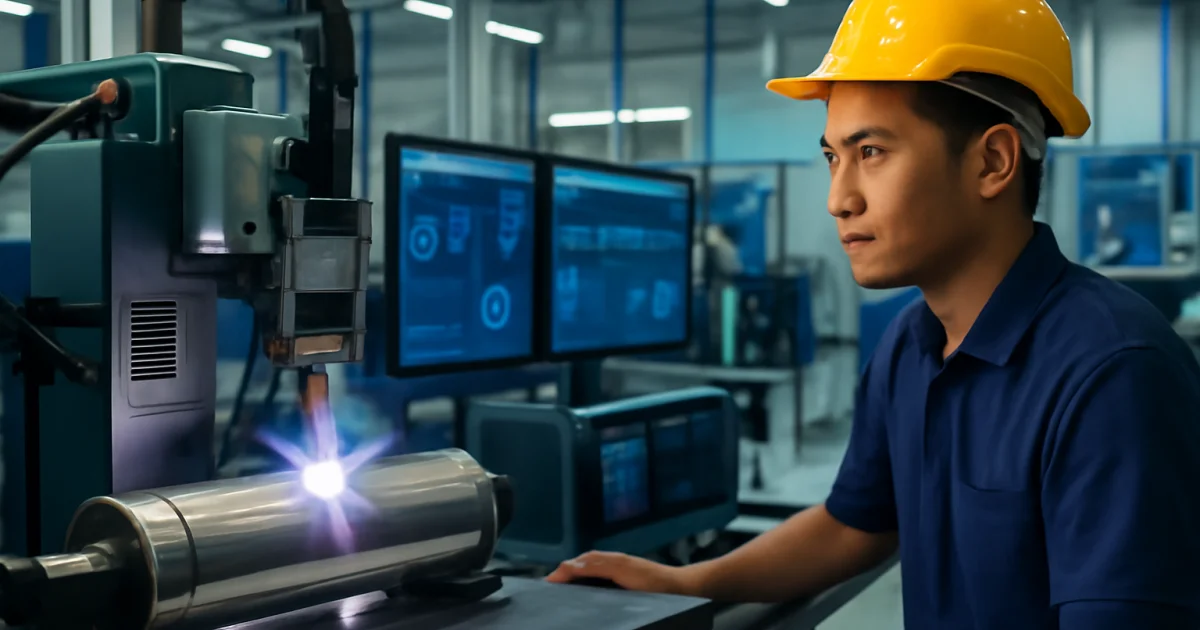
Malaysia’s manufacturing sector continues to evolve, driven by a strong focus on industrial automation, efficiency, and quality. Among the technologies making significant strides is plasma welding, a process that has become increasingly important for industries seeking precise, high-quality metal joining. In this article, we explore recent advancements in plasma welding technology in Malaysia, practical applications for manufacturers, and actionable steps for industry professionals looking to upgrade their welding capabilities.
Understanding Plasma Welding: The Basics
Plasma welding is a sophisticated arc welding process that utilizes a constricted plasma arc to join metals with remarkable precision and stability. By delivering a concentrated heat source, plasma welding offers deeper penetration, cleaner welds, and reduced distortion compared to traditional TIG or MIG methods. This makes it especially valuable for sectors such as automotive, shipbuilding, heavy machinery, and precision fabrication in Malaysia.
Key features of plasma welding include:
- Highly controllable arc and temperature
- Ability to weld a variety of metals and thicknesses
- Superior speed and quality for both manual and automated applications
Recent Technological Advancements in Plasma Welding
The evolution of plasma welding technology in Malaysia has been marked by several notable developments:
- Digital Controls & Automation: Modern plasma welding machines now integrate digital interfaces, programmable logic controllers (PLCs), and remote monitoring, allowing precise control of welding parameters and increased repeatability.
- Robotic Integration: The adoption of robot welding systems has enabled local manufacturers to automate complex welds, reduce human error, and boost productivity, particularly in high-volume environments.
- Advanced Power Sources: Inverter-based power supplies deliver stable arcs even at low amperages, expanding plasma welding’s suitability for thin materials and intricate assemblies.
- Improved Torch Design: Innovations in torch cooling and nozzle geometry have enhanced reliability, lifespan, and ergonomics for operators.
- Data-Driven Quality Assurance: Real-time data logging and process monitoring support strict quality control, traceability, and compliance with industry standards.
Why Malaysian Manufacturers Are Investing in Plasma Welding
The manufacturing landscape in Malaysia is highly competitive, with businesses seeking ways to differentiate through quality, efficiency, and cost-effectiveness. Plasma welding offers several tangible benefits:
- Consistent Weld Quality: The concentrated arc ensures uniform penetration and minimal spatter, resulting in cleaner welds and reduced post-processing time.
- Versatility: Plasma welding can handle a range of materials, including stainless steel, aluminum, copper alloys, and exotic metals, supporting diverse industrial needs.
- Reduced Downtime: Modern plasma welding equipment is designed for reliability, minimizing breakdowns and maintenance interruptions in production lines.
- Support for Automation: Integration with robotic systems enables 24/7 operation and consistent output, aligning with Industry 4.0 initiatives.
As Malaysia’s manufacturing sector pushes for higher standards and export competitiveness, plasma welding is becoming a strategic investment for factories, metal fabricators, and equipment manufacturers alike.
Plasma Welding Malaysia: Practical Applications Across Industries
The adoption of plasma welding technology is evident in a wide range of Malaysian industries. Here are some of the most common applications:
- Automotive Manufacturing: High-precision plasma welding is used for exhaust systems, chassis components, and body structures, supporting Malaysia’s vibrant automotive sector.
- Shipbuilding and Offshore: Plasma welding delivers strong, watertight joints in hulls, decks, and structural assemblies, meeting the demanding requirements of marine fabrication.
- Machinery Production: Equipment manufacturers use plasma welding for producing frames, brackets, and pressure vessels with complex geometries.
- Electronics and Precision Engineering: The fine control offered by plasma welding is ideal for small-scale, high-value assemblies in electronics and medical device manufacturing.
In each case, manufacturers report improvements in weld consistency, production speed, and part quality compared to older welding set technologies.
How Plasma Welding Differs From MIG, TIG, and Other Processes
While MIG and TIG welding remain popular in Malaysia, plasma welding offers unique advantages in certain scenarios:
- Arc Stability: The constricted plasma arc is less prone to wander, allowing for highly repeatable, narrow weld beads.
- Deeper Penetration: Plasma welding can join thicker materials in a single pass, reducing the need for multiple operations.
- Lower Heat Input: There is less thermal distortion, making plasma ideal for thin sheet metal and applications demanding minimal warping.
For many Malaysian manufacturers, the decision to upgrade their welding machine set to include plasma technology is driven by the need for greater precision and automation compatibility, especially when producing components for export markets.
What to Consider When Upgrading to Plasma Welding Technology
Transitioning to plasma welding involves several key considerations:
- Equipment Selection: Choose a plasma welding machine that matches your material types, thicknesses, and production volume. Leading brands such as Lincoln, OTC, and OTO-WELD offer models tailored for Malaysian industry needs.
- Automation Readiness: Assess whether your facility can accommodate robotic integration or automated plasma welding systems to maximize return on investment.
- Workforce Training: Ensure that operators and maintenance teams receive comprehensive training. Mastery of digital controls and safety protocols is essential for optimal results.
- Consumables & Spare Parts: Secure a reliable supply of torches, electrodes, nozzles, and other consumables compatible with your chosen equipment for uninterrupted operations.
- After-Sales Support: Partner with suppliers who provide local technical service, troubleshooting, and preventive maintenance to minimize downtime.
Companies such as ASB Welding serve as one-stop solution providers, offering equipment, consumables, automation solutions, and technical support tailored for manufacturers across Malaysia.
Case Study: Plasma Welding Implementation in a Malaysian Factory
To illustrate the real-world impact of plasma welding advancements, consider an automotive component manufacturer in Selangor. Facing rising quality demands from overseas clients and the need to scale up production, the company upgraded from traditional TIG welders to an automated plasma welding system supplied by ASB Welding.
The new system included an inverter-based plasma welder, robotic arm integration, and digital process monitoring. The outcome:
- Weld cycle times reduced by 30%
- Rejected parts due to weld defects dropped by 45%
- Maintenance intervals extended thanks to robust torch design and on-site support
- Operators reported improved ergonomics and easier control via digital interfaces
This example demonstrates the operational and commercial benefits Malaysian manufacturers can achieve by embracing plasma welding technology.
Expanding Plasma Welding: Lessons from Industry Leaders
Across Malaysia, leading manufacturers have adopted structured strategies to successfully implement and expand plasma welding technology. Some recurring lessons from these pioneers include:
- Pilot Programs: Many companies start with a small-scale plasma welding cell dedicated to a specific high-value product line. This approach allows teams to evaluate quality improvements, measure downtime reductions, and build operator expertise before wider rollout.
- Continuous Process Monitoring: By leveraging real-time data collection, manufacturers can rapidly identify process deviations, enabling immediate corrective action and more robust root-cause analysis for defects or performance drops.
- Collaborative Supplier Relationships: Working closely with suppliers, such as ASB Welding, ensures that technical challenges are addressed proactively, consumables are readily available, and training is tailored to real shop-floor requirements.
- Operator Engagement: Involving welders and maintenance staff early in the transition increases buy-in, uncovers practical workflow improvements, and ensures new systems fit seamlessly into established processes.
- Benchmarking and Certification: Some Malaysian manufacturers seek third-party audits and certifications to validate plasma welding quality — especially important for export markets where traceability and compliance are critical.
These practices not only improve the odds of a successful plasma welding upgrade but also lay the foundation for continuous improvement and competitive advantage.
Common Mistakes to Avoid When Adopting Plasma Welding
While plasma welding offers significant benefits, several pitfalls can hinder successful adoption. Avoid these common mistakes:
- Underestimating Training Needs: Plasma welding systems are more advanced than many older arc welders. Insufficient operator or maintenance training can lead to avoidable errors, equipment misuse, and compromised safety.
- Neglecting Process Validation: Failing to test and validate welding procedures for each material and joint type can result in inconsistent quality or rejected batches.
- Overlooking Consumable Management: Running out of critical consumables like electrodes or nozzles leads to unwanted downtime. Establish a clear inventory and reorder process.
- Inadequate After-Sales Support: Choosing suppliers without strong local service and troubleshooting capabilities can delay repairs, reducing the return on investment from automation and advanced welding systems.
- Ignoring Upstream and Downstream Impacts: Introducing plasma welding may require adjustments in component design, fixturing, and inspection protocols to fully realize its advantages.
By planning for these issues, Malaysian manufacturers can ensure smoother transitions and maximize performance gains from plasma welding investments.
Checklist: Preparing Your Factory for Plasma Welding
- Conduct a thorough production audit to identify where plasma welding will add the most value.
- Engage key stakeholders — including quality, production, and maintenance teams — in the decision-making process.
- Request sample welds and machine demonstrations from suppliers to assess real-world suitability.
- Review and update safety protocols, including fume extraction, electrical safety, and emergency procedures.
- Secure both initial and ongoing training for operators and technical staff.
- Plan for integration with existing automation systems or future automation upgrades.
- Establish a consumables and spare parts inventory plan, tied to production forecasts.
- Set clear KPIs for cycle time, defect rates, and maintenance frequency to track project success.
Following this checklist will help Malaysian manufacturers ensure a smooth, cost-effective, and sustainable transition to plasma welding.
Plasma Welding, Industry 4.0, and the Future of Malaysian Manufacturing
As Malaysia accelerates its Industry 4.0 roadmap, the demand for smart manufacturing solutions continues to rise. Plasma welding’s compatibility with automation, data analytics, and digital quality assurance makes it a cornerstone of future-ready factories.
Key trends shaping plasma welding’s role in Malaysia include:
- Integration with IoT and MES: Plasma welders are increasingly connected to manufacturing execution systems (MES) and IoT platforms, enabling predictive maintenance and real-time process optimization.
- Robotic Welding Expansion: The use of robot welding cells is growing, especially in automotive and heavy industry, supporting both productivity and workplace safety.
- Sustainability: Energy-efficient plasma welding machines and cleaner, low-spatter processes support sustainability goals and regulatory compliance.
Manufacturers investing in plasma welding Malaysia solutions today are positioning themselves for success in a digital, competitive global marketplace.
Actionable Steps for Malaysian Manufacturers Considering Plasma Welding
If your business is evaluating the adoption or upgrade of plasma welding technology, consider the following actionable steps:
- Assess Your Production Needs: Identify key components, materials, and production volumes where plasma welding could deliver improvements over existing welding sets.
- Engage with Specialist Suppliers: Consult with solution providers like ASB Welding to review equipment options, automation readiness, and technical support packages.
- Plan Operator Training: Schedule workforce upskilling sessions focused on new machine interfaces, safety, and maintenance best practices.
- Review Automation Opportunities: Evaluate the feasibility of integrating robotic welding or automated plasma cells to future-proof your production line.
- Secure Consumables and Spare Parts: Establish a reliable supply chain for torches, electrode, and nozzle replacements to prevent unscheduled downtime.
By taking these steps, Malaysian manufacturers can unlock the full potential of plasma welding and remain competitive both locally and abroad.
Conclusion: The Strategic Value of Plasma Welding in Malaysia’s Industrial Future
Plasma welding technology stands at the forefront of Malaysia’s industrial transformation, enabling higher quality, increased automation, and sustainable growth. As advancements continue, manufacturers who invest in the latest plasma welding machines, automation, and skilled technical support will be best positioned to lead in a rapidly changing marketplace.
For those looking for comprehensive solutions, ASB Welding offers a full suite of plasma welding machines, robotic integration, consumables, and technical services—supporting every stage of your welding journey from equipment selection to after-sales support. Embrace the future of welding in Malaysia with confidence and expertise.
Frequently Asked Questions
What are the main benefits of plasma welding for Malaysian manufacturers?
Plasma welding offers Malaysian manufacturers several advantages, including high precision, deep penetration, consistent weld quality, and compatibility with automation systems. The process reduces spatter, minimizes distortion, and supports efficient, high-volume production across industries such as automotive, shipbuilding, and machinery manufacturing.
How does plasma welding differ from MIG and TIG welding?
Plasma welding uses a constricted arc that delivers a focused, stable heat source, resulting in deeper penetration and more precise welds compared to MIG and TIG. It also produces less heat-affected zone and distortion, making it ideal for thin materials and complex assemblies commonly required by advanced manufacturers in Malaysia.
What should I consider when choosing a plasma welding machine in Malaysia?
Consider your production volume, material types, thicknesses, and the level of automation needed. It is important to select a reputable brand, ensure availability of consumables and spare parts, and choose a supplier that provides technical support, operator training, and after-sales service tailored to your industry.
Can plasma welding be automated in Malaysian factories?
Yes, plasma welding is highly compatible with automation. Many Malaysian factories are integrating robotic welding systems and programmable controls to improve productivity, reduce human error, and achieve consistent, high-quality welds. Automation also supports Industry 4.0 initiatives and future-proofs production operations.
Why is technical support important for plasma welding operations?
Technical support ensures that plasma welding machines operate reliably, downtime is minimized, and operators are properly trained. Access to troubleshooting, repair services, preventive maintenance, and expert consultation allows manufacturers to maximize the lifespan and efficiency of their plasma welding equipment.
Upgrade Your Welding Operations with ASB Welding
Ready to experience the latest advancements in plasma welding technology? ASB Welding is Malaysia’s trusted partner for industrial welding machines, automation solutions, consumables, and technical support. From equipment selection to after-sales service, our experts help you achieve precise, efficient, and future-ready welding operations. Contact us today to discuss your project needs and discover how we can support your manufacturing growth.